Creating a home workspace that is both cozy and functional can significantly improve your productivity and overall well-being. Whether you work from home full-time, study, or simply need a dedicated area for personal projects, having a space that feels inviting and efficient makes all the difference. Here are simple tips to help you design a home workspace that suits your needs and inspires you to get things done.
1. Choose the Right Location
Selecting the right spot in your home is the first step. Ideally, pick a quiet area away from heavy foot traffic and distractions. A corner in a bedroom, a spare room, or a section of the living room can work well. If possible, choose a place with natural light — it boosts mood and reduces eye strain.
Consider Your Needs
– Do you need privacy for calls or meetings?
– Will you be using large equipment or multiple screens?
– How much storage space do you require?
Answering these questions helps pinpoint the perfect location.
2. Invest in a Comfortable Chair and Desk
Your furniture impacts comfort and posture, which affects productivity and health.
– Desk: Look for a desk that fits your space and offers enough surface area for your computer, documents, and other tools.
– Chair: Invest in an ergonomic chair that supports your back and encourages good posture.
If space is limited, compact desks or wall-mounted options can be both space-saving and stylish.
3. Keep It Organized
Clutter can distract and cause stress. Implement storage solutions to keep your workspace tidy.
Tips for Organization
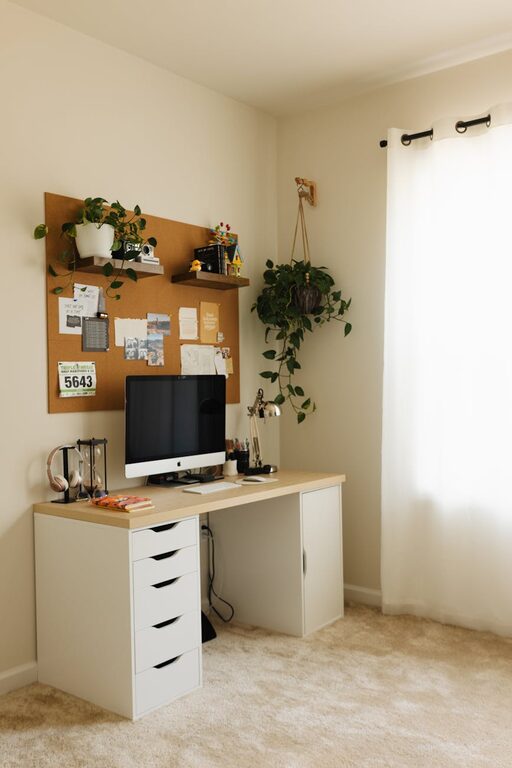
– Use shelves, drawers, or filing cabinets for paperwork and office supplies.
– Keep frequently used items within arm’s reach.
– Use cable organizers to manage cords and keep the desk neat.
– Consider desk organizers for pens, notepads, and gadgets.
Regularly declutter to maintain a clean work environment.
4. Personalize Your Workspace
A cozy workspace feels like a place you want to be. Personal touches make the area inviting and motivating.
– Add plants to bring in greenery and brighten the space.
– Hang artwork or motivational quotes that inspire you.
– Choose colors you enjoy; calming tones like blues and greens promote focus.
– Use soft textiles like a cushion or throw blanket for added comfort.
Personalizing your setup can improve mood and make long work hours more pleasant.
5. Optimize Lighting
Proper lighting reduces eye strain and creates a more inviting environment.
– Utilize natural light whenever possible.
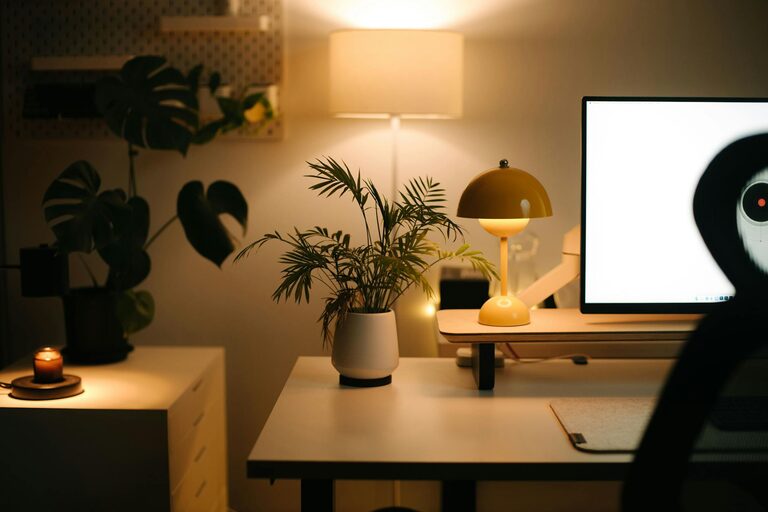
– Add a desk lamp with adjustable brightness for focused work.
– Avoid harsh overhead lighting; opt for warm bulbs for a cozy feel.
– Consider task lighting if you do paperwork or detailed tasks.
Adjust your lighting throughout the day to match tasks and outdoor light levels.
6. Minimize Distractions
Create an environment conducive to concentration.
– Use noise-cancelling headphones if you’re in a noisy area.
– Set boundaries with family or roommates to respect your work time.
– Keep your phone on silent or in another room if it causes interruptions.
– Use apps or tools that help limit distractions on your computer.
A focused workspace supports efficient and stress-free work sessions.
7. Incorporate Healthy Habits
Include elements that encourage movement and comfort.
– Use a standing desk or balance sitting with standing breaks.
– Keep water nearby and stay hydrated.
– Add reminders for short stretching or walking breaks.
– Maintain good air quality by opening a window or using a small fan or air purifier.
These habits promote well-being and help maintain energy levels throughout the day.
8. Equip Your Workspace with Essential Tools
Have the right tools to avoid frustration and wasted time.
– Ensure a fast and reliable internet connection.
– Use a quality keyboard and mouse if you work on a laptop.
– Keep chargers and power strips accessible.
– Use a whiteboard or planner for notes and task tracking.
Being well-equipped means fewer interruptions and a smoother workflow.
Final Thoughts
Designing a cozy and functional home workspace doesn’t require a big budget or major renovations. By thoughtfully choosing your location, investing in comfort, organizing wisely, and personalizing the space, you can create an environment that supports both productivity and relaxation. Remember, your workspace should adapt to your needs and preferences, helping you to enjoy your workday, no matter where you do it.
Take these tips step by step, and soon you’ll have a home workspace that feels just right.