Creating a productive home office environment is essential for anyone working remotely or managing tasks from home. A well-designed workspace can improve focus, reduce distractions, and increase overall job satisfaction. Whether you have a dedicated room or a small corner, these tips will help you set up an efficient and comfortable home office.
Choose the Right Location
Finding the right spot for your home office is the first step. Ideally, pick a quiet area with minimal foot traffic and distractions. If possible, select a space near natural light to help keep you alert and improve your mood. Avoid working from your bed or couch, as these areas are linked to relaxation rather than productivity.
Invest in Comfortable Furniture
Ergonomics matter when spending hours at a desk. A supportive office chair that promotes good posture can prevent back and neck pain. Your desk should be at a height where your elbows form a 90-degree angle when typing. If space allows, consider an adjustable desk that lets you alternate between sitting and standing.
Organize Your Workspace
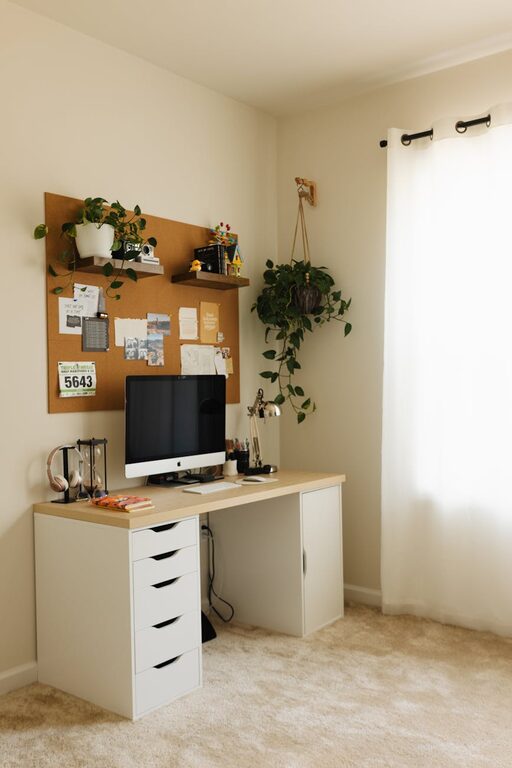
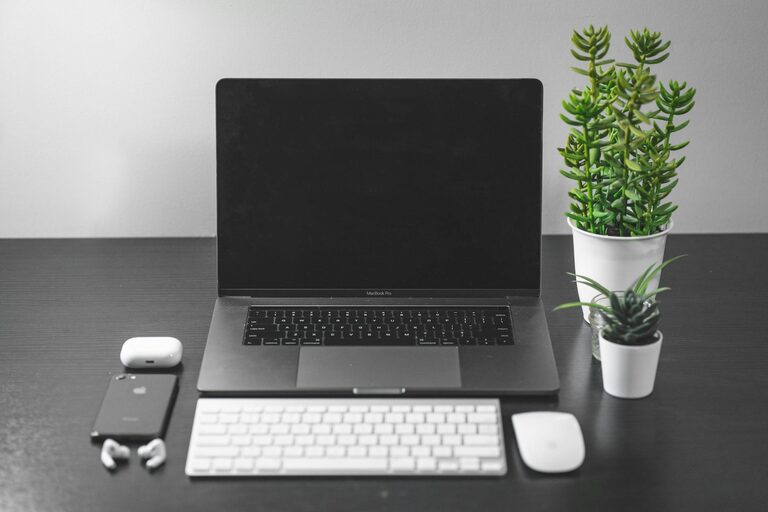
A clutter-free desk can make a big difference in how productive you feel. Use organizers, shelves, or drawers to keep supplies and documents tidy. Limit the items on your desk to essentials such as your computer, a notebook, and a pen. Regularly declutter to maintain a clean and inviting space.
Optimize Lighting
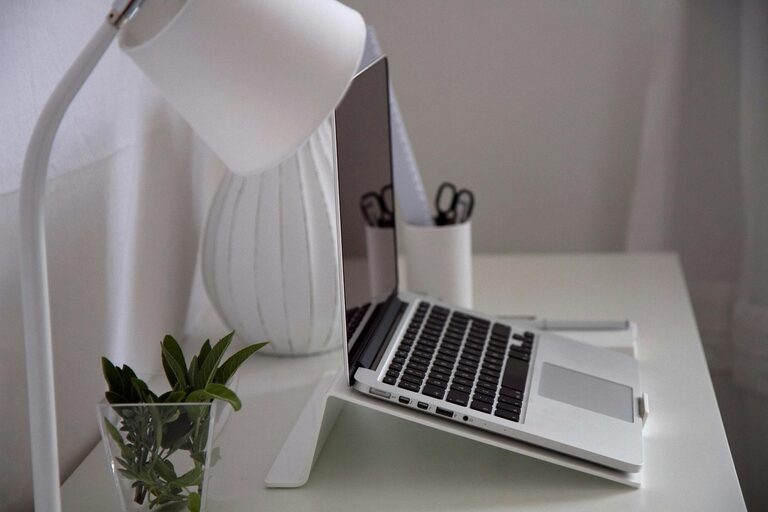
Lighting plays a crucial role in reducing eye strain and maintaining alertness. Position your desk near a window to take advantage of natural light. Supplement with adjustable task lighting such as a desk lamp for cloudy days or evening work sessions. Choose bulbs with soft white or daylight tones for a balanced visual environment.
Minimize Distractions
Home offices often come with unique distractions like household chores, family members, or pets. Set boundaries by communicating your work hours and space needs to people around you. Use noise-canceling headphones or play gentle background music if it helps you focus. Turning off non-essential digital notifications can also reduce interruptions.
Personalize Your Space
Adding personal touches can make your home office more inviting and motivating. Consider including plants, artwork, or photos that bring you joy. Choose colors and décor that energize you or create a calming atmosphere, depending on your preferences.
Establish a Routine
Consistency is key to productivity. Designate specific work hours to create a clear separation between professional time and personal life. Start each day with a routine that prepares you to focus, like reviewing tasks or having a cup of coffee. Take regular breaks to stretch and refresh your mind, following techniques such as the Pomodoro method.
Use Technology Wisely
Equip your home office with reliable technology to avoid frustration. A fast internet connection, quality headphones, and up-to-date software are essential tools. Use cloud storage and collaboration apps to stay connected with colleagues and maintain workflow. Avoid multitasking on multiple devices to keep your attention on important tasks.
Maintain Good Air Quality and Temperature
A comfortable environment includes good air circulation and a pleasant temperature. If possible, open windows for fresh air or use an air purifier. Keep your room at a moderate temperature to prevent discomfort, adjusting heating or cooling as needed.
Plan for Ergonomic Accessories
Consider adding accessories that support comfort and productivity. A keyboard and mouse designed for ergonomics can reduce strain. Monitor stands help position your screen at eye level, preventing neck pain. Footrests and wrist supports are also good investments if you spend long hours at your desk.
—
By following these tips, you can create a home office environment that helps you work efficiently and comfortably. Remember, a productive workspace is one that fits your individual needs and supports your daily goals. Personalizing your setup and maintaining good habits will make working from home a positive and rewarding experience.