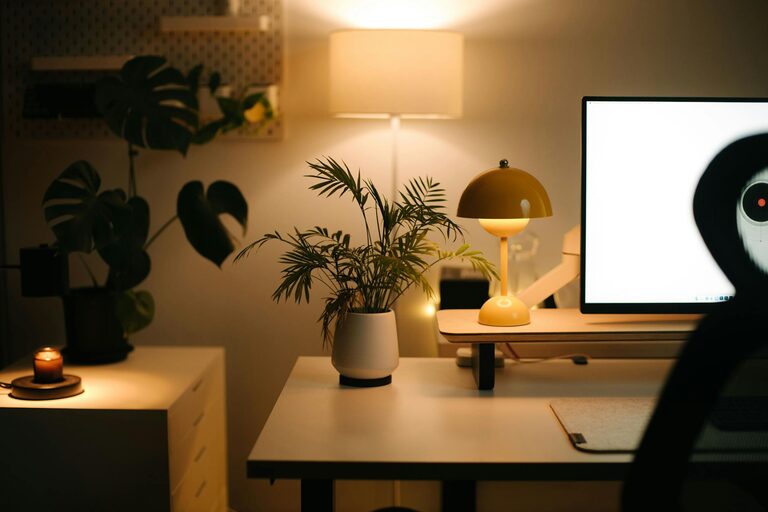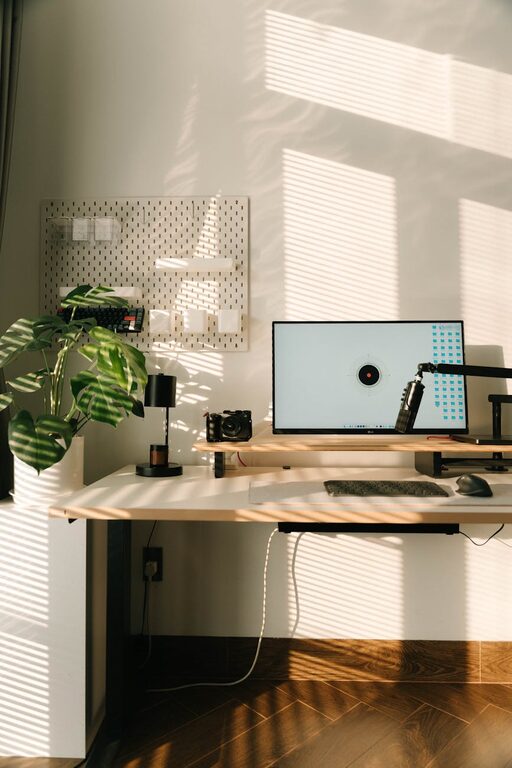

Creating a productive home office space is essential for anyone working remotely or managing tasks from home. A well-designed workspace can improve focus, reduce distractions, and increase both efficiency and comfort. Whether you have a dedicated room or just a corner in your living area, these tips will help you create an environment that supports your work goals.
1. Choose the Right Location
Selecting the right spot for your home office is the first step toward a productive space.
– Quiet Area: Find a quiet area away from household noise and high traffic.
– Natural Light: Opt for a place with plenty of natural light to help boost mood and reduce eye strain.
– Space: Ensure you have enough room for your desk, chair, and storage, allowing for comfortable movement.
If space is limited, consider multipurpose furniture or transforming underused areas like guest rooms or closets into functional work zones.
2. Invest in Ergonomic Furniture
Comfort matters when spending long hours at a desk.
– Ergonomic Chair: Choose a chair that supports good posture with adjustable height, backrest, and armrests.
– Desk Height: Your desk should allow your arms to rest comfortably at about a 90-degree angle.
– Keyboard and Mouse Placement: Place keyboards and mice at a height that prevents wrist strain.
Remember, a comfortable setup not only supports your health but also helps maintain focus throughout the day.
3. Organize Your Workspace Efficiently
Clutter can distract and reduce productivity. Keeping your workspace tidy is key.
– Minimal Desk Items: Keep only essential items on your desk to maintain a clean area.
– Storage Solutions: Use shelves, filing cabinets, or desk organizers to store documents and supplies neatly.
– Cable Management: Use clips or ties to keep cords organized and out of sight.
A well-organized space saves time searching for items and creates a calm working environment.
4. Optimize Lighting
Good lighting reduces eye strain and improves concentration.
– Use Natural Light: Position your desk near a window to take advantage of daylight.
– Supplement with Artificial Lighting: Use adjustable desk lamps or overhead lights with a soft white glow.
– Avoid Glare: Position screens and lights to prevent glare, which can cause discomfort and headaches.
Balancing natural and artificial light helps maintain a consistent and pleasant work atmosphere.
5. Personalize Your Space
Adding a personal touch can increase motivation and make your office feel inviting.
– Decor: Use colors and artwork that inspire creativity without being distracting.
– Plants: Indoor plants improve air quality and add a relaxing element.
– Comfort Items: Include a soft rug, cushions, or a cozy blanket to enhance comfort.
Personalizing your space can make working from home more enjoyable and sustainable.
6. Set Boundaries and Maintain Routine
Creating mental boundaries is just as important as physical ones.
– Dedicated Workspace: Limit work activities to your office area to separate work from personal life.
– Regular Schedule: Set clear working hours to build consistency and reduce burnout.
– Break Areas: Have a nearby spot for short breaks to refresh your mind.
Good routines support productivity and help maintain a healthy work-life balance.
7. Use Technology Wisely
Technology should enhance, not complicate, your workflow.
– Reliable Equipment: Ensure your computer, internet connection, and peripherals are up to date and functional.
– Productivity Apps: Use task managers or calendars to keep track of deadlines and meetings.
– Noise Control: Consider noise-canceling headphones or white noise apps if your environment is noisy.
Choosing the right tools can streamline your work and reduce frustration.
8. Keep It Clean
Regular cleaning maintains a pleasant and healthy workspace.
– Daily Tidying: Spend a few minutes clearing your desk at the end of each day.
– Weekly Cleaning: Dust surfaces, vacuum floors, and sanitize your workspace weekly.
– Air Quality: Open windows or use air purifiers to keep the air fresh.
A clean office contributes to your overall well-being and productivity.
—
Designing a productive home office doesn’t require a full renovation. With a few practical adjustments and thoughtful planning, you can create a work environment that supports your professional needs and promotes your well-being. Start implementing these tips today to enjoy a more focused and enjoyable work-from-home experience.