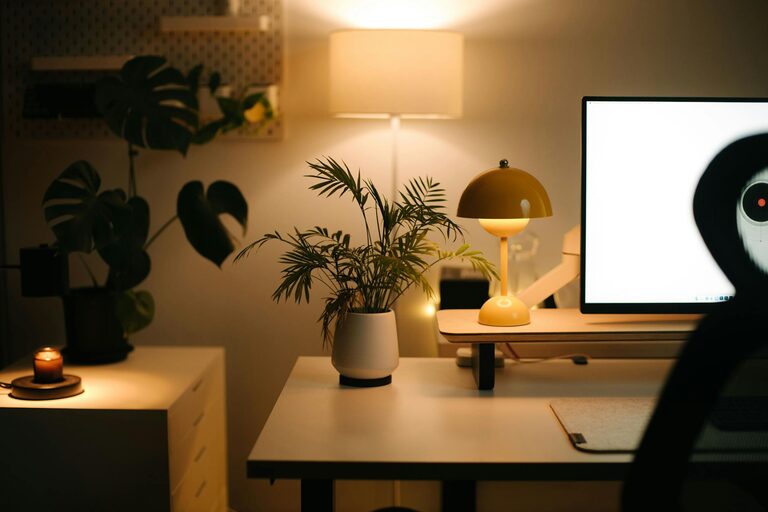
Creating a home workspace that feels cozy and inviting can make a significant difference in your daily comfort and productivity. Whether you work remotely full-time or occasionally need a spot to focus, designing a space that welcomes you can improve your mood and efficiency. Here are practical tips to help you craft a home workspace that is both functional and comfortable.
Choose the Right Location
The first step in setting up a workspace is selecting a suitable location. Ideally, choose a spot with:
– Natural Light: A space near a window helps reduce eye strain and enhances your overall well-being.
– Privacy: Look for an area with minimal distractions to maintain focus.
– Adequate Space: Ensure you have enough room for your desk, chair, and necessary equipment.
If space is tight, consider creative solutions like a corner nook or a fold-away desk.
Invest in Comfortable Furniture
Your furniture plays a major role in the coziness and functionality of your workspace.
– Ergonomic Chair: Look for chairs that support your back and promote good posture.
– Sturdy Desk: Choose a desk that fits your work needs and offers ample surface area.
– Adjustable Options: If possible, consider adjustable desks or chairs to switch between sitting and standing.
Adding a footrest or cushioned seat pad can also enhance comfort during long work sessions.
Personalize Your Space
Making your workspace feel inviting means adding personal touches that bring joy without causing clutter.
– Decorate with Plants: Indoor plants improve air quality and add a calming green touch.
– Use Artwork and Photos: Pictures or art that inspire you can boost creativity.
– Choose Soothing Colors: Soft, neutral tones or pastel shades help maintain a relaxed atmosphere.
Keep decor minimal to avoid distractions but enough to make the space uniquely yours.
Optimize Lighting
Good lighting is essential for a cozy and productive environment.
– Combine Natural and Artificial Light: Use window light supplemented by task lighting such as desk lamps.
– Adjust Brightness: Use adjustable lamps or dimmers to suit different times of the day and activities.
– Avoid Glare: Position screens and light sources to prevent reflections and eye strain.
Warm-colored bulbs can add a cozy feel compared to harsh white lights.
Organize for Efficiency
A cluttered workspace can negatively impact concentration and mood.
– Use Storage Solutions: Shelves, drawers, and organizers keep supplies tidy and accessible.
– Keep Desk Clear: Only keep essential items on your desk to maintain focus.
– Cable Management: Use clips or sleeves to keep cords neat and out of sight.
Regularly tidying your workspace helps maintain a welcoming atmosphere.
Incorporate Comfort Features
Small additions can greatly increase your workspace comfort.
– Soft Textiles: Add a cozy rug, cushions, or a throw blanket.
– Temperature Control: Use fans, heaters, or an open window to keep your area comfortable.
– Sound Management: Consider noise-cancelling headphones, white noise machines, or soft background music.
Comfort helps reduce fatigue and stress, making it easier to work productively.
Establish Boundaries
Creating mental and physical boundaries around your workspace helps maintain work-life balance.
– Separate Work Area: If possible, have a dedicated room or corner solely for work.
– Clear Start and End Times: Set routines to define your workday.
– Signage or Visual Cues: Use screens or curtains for visual separation.
Respecting these boundaries encourages focus during work hours and relaxation afterward.
Keep Technology User-Friendly
Ensure your tech setup is both functional and comfortable.
– Proper Monitor Height: Adjust your screen to eye level to reduce neck strain.
– Reliable Equipment: Invest in quality keyboards, mice, and headphones.
– Cable Organization: Neatly arrange cables to prevent tangling and distractions.
Choosing user-friendly technology removes frustration and supports a cozy workflow.
—
Creating a cozy and inviting home workspace is a blend of functionality and personal comfort. By selecting a good location, investing in ergonomic furniture, personalizing your surroundings, and maintaining organization, you can build a space that motivates and relaxes you. Remember to adapt these tips to your lifestyle and preferences for the best results. Happy decorating!